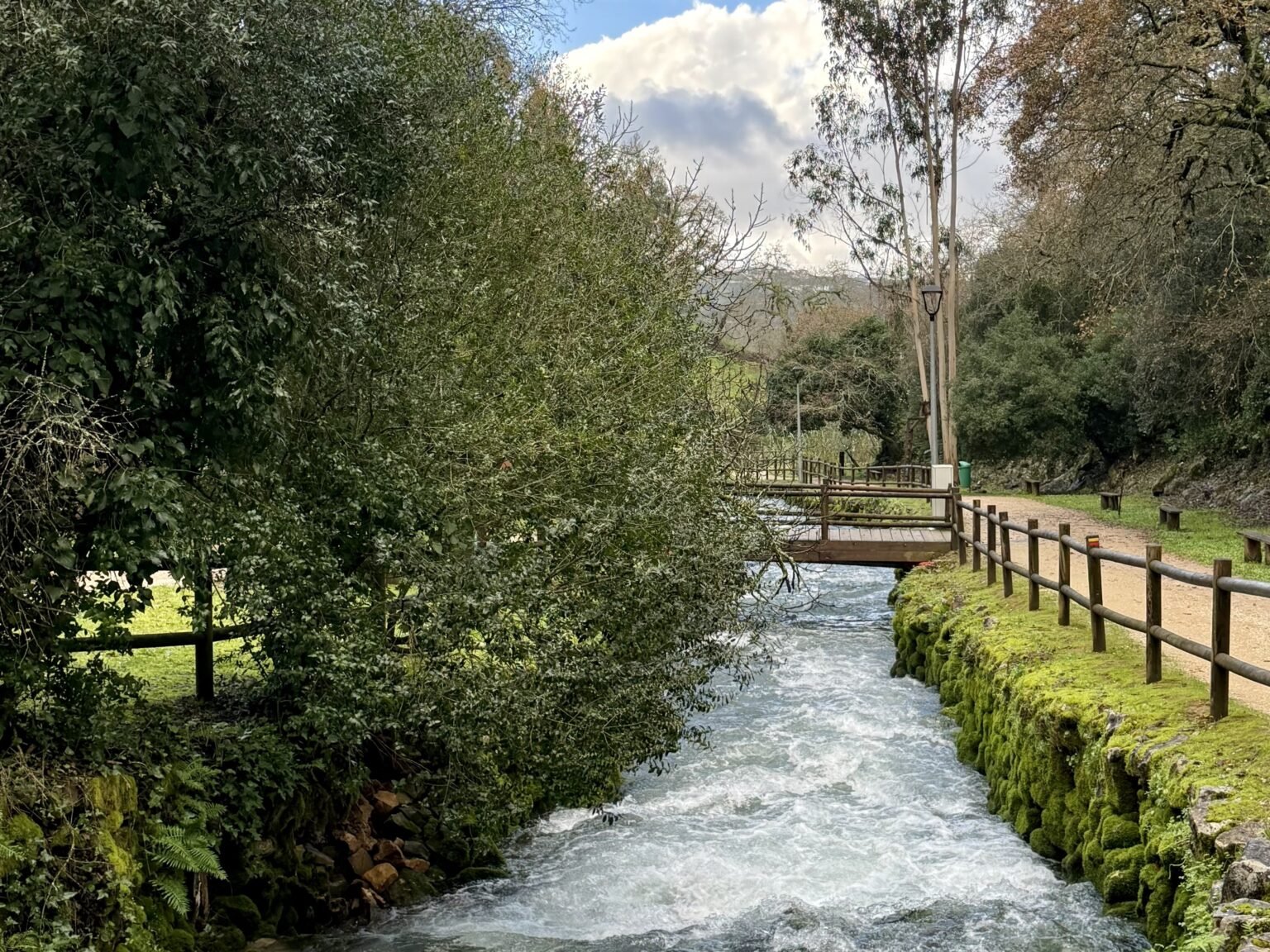
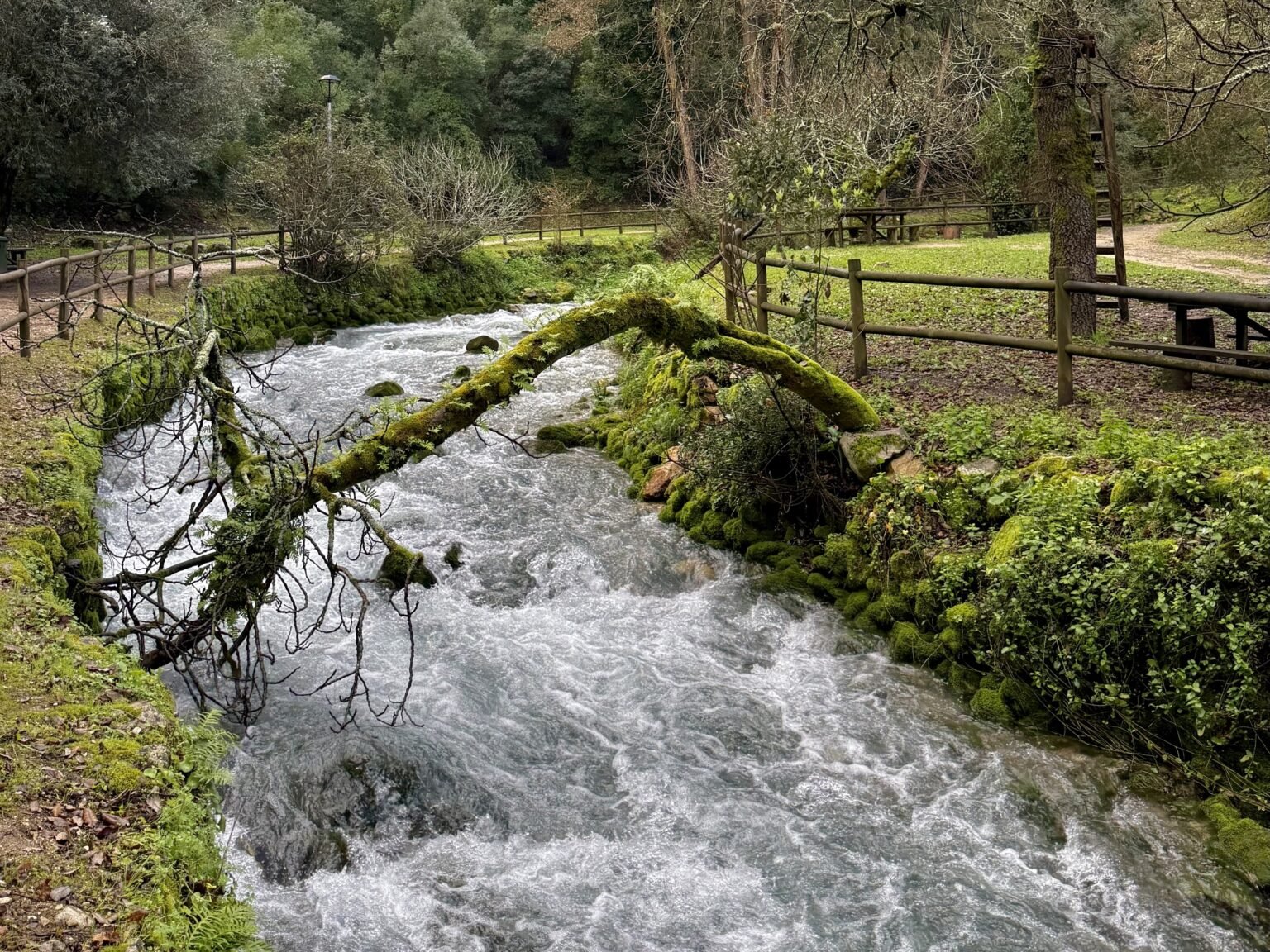
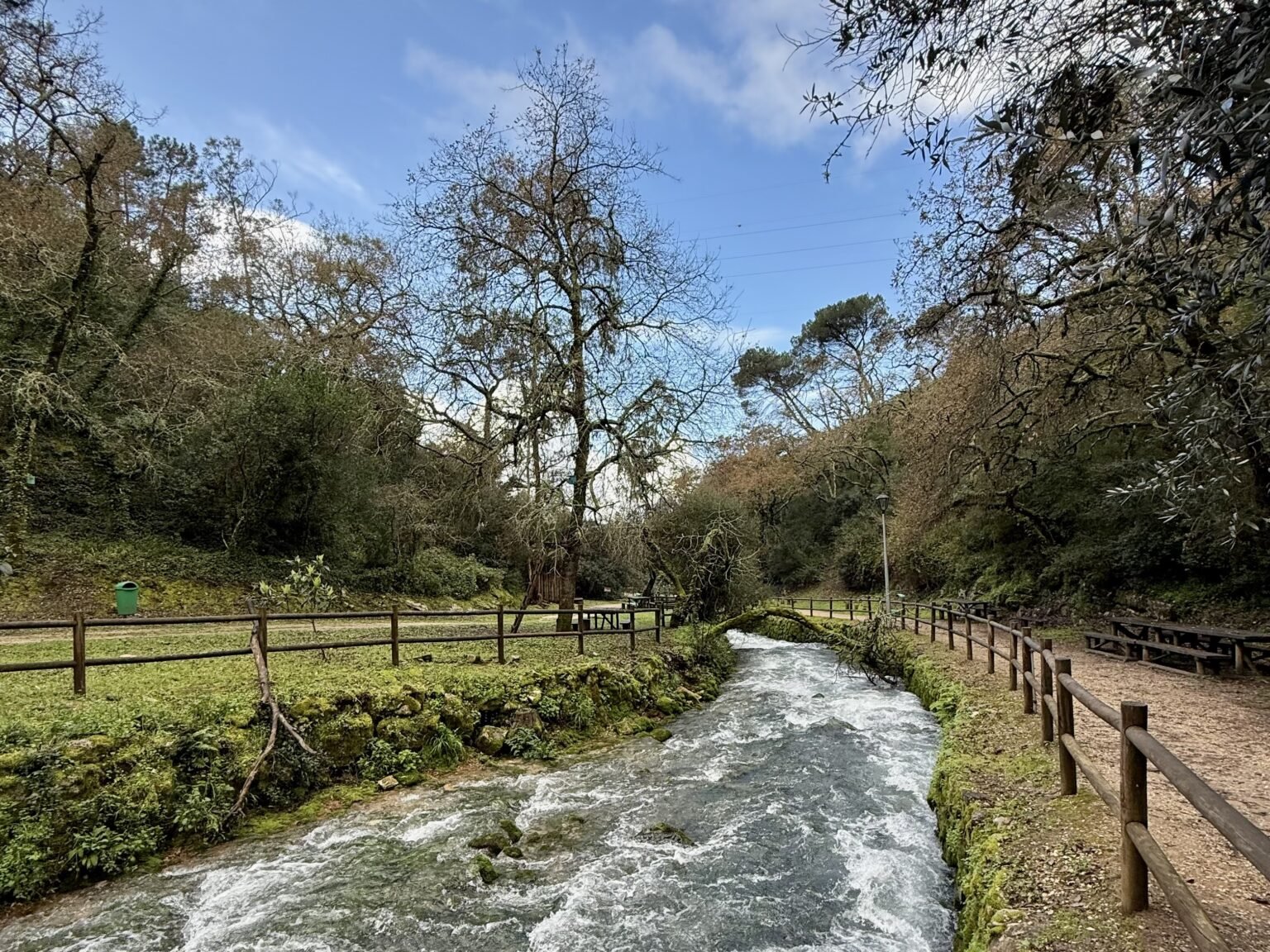
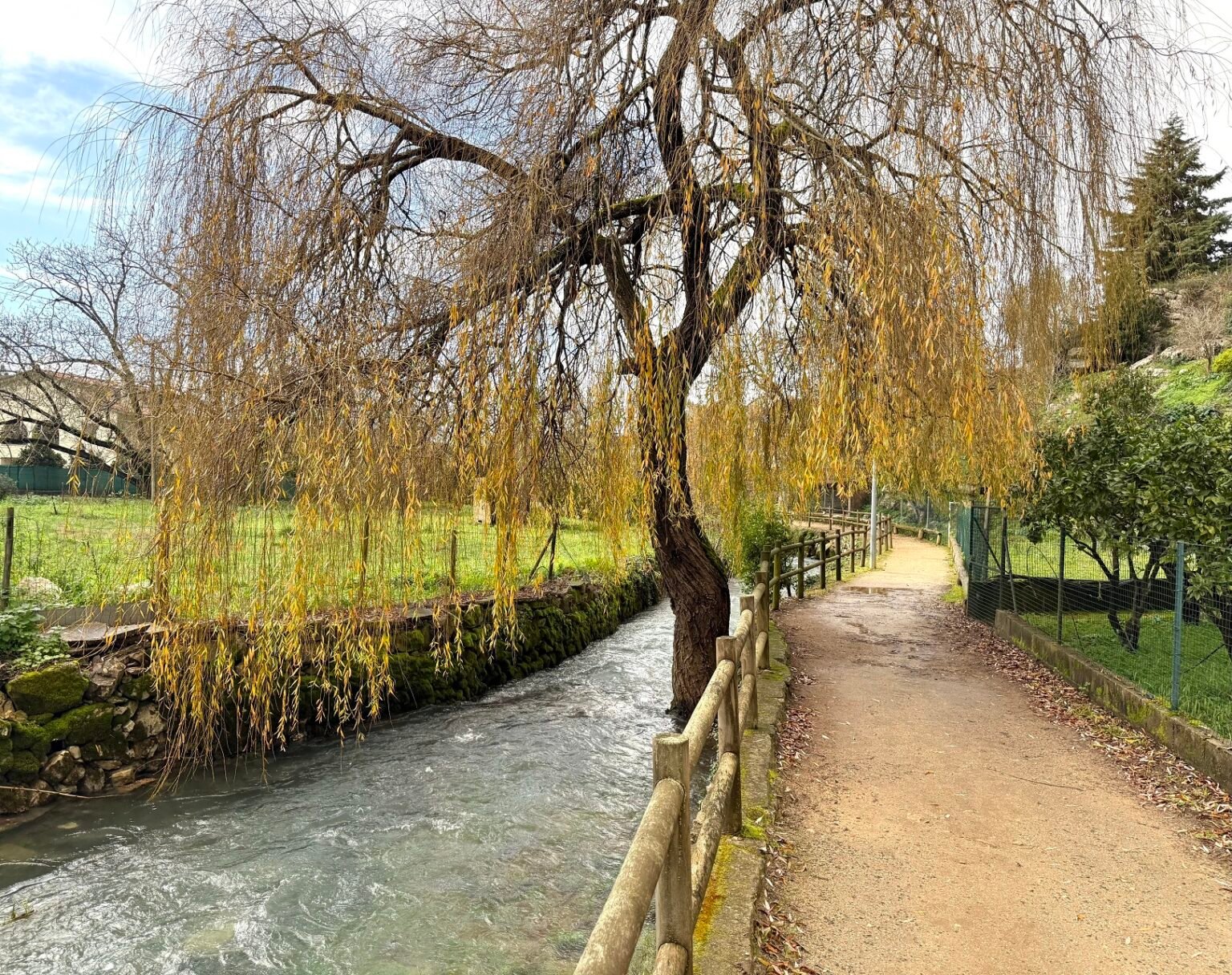
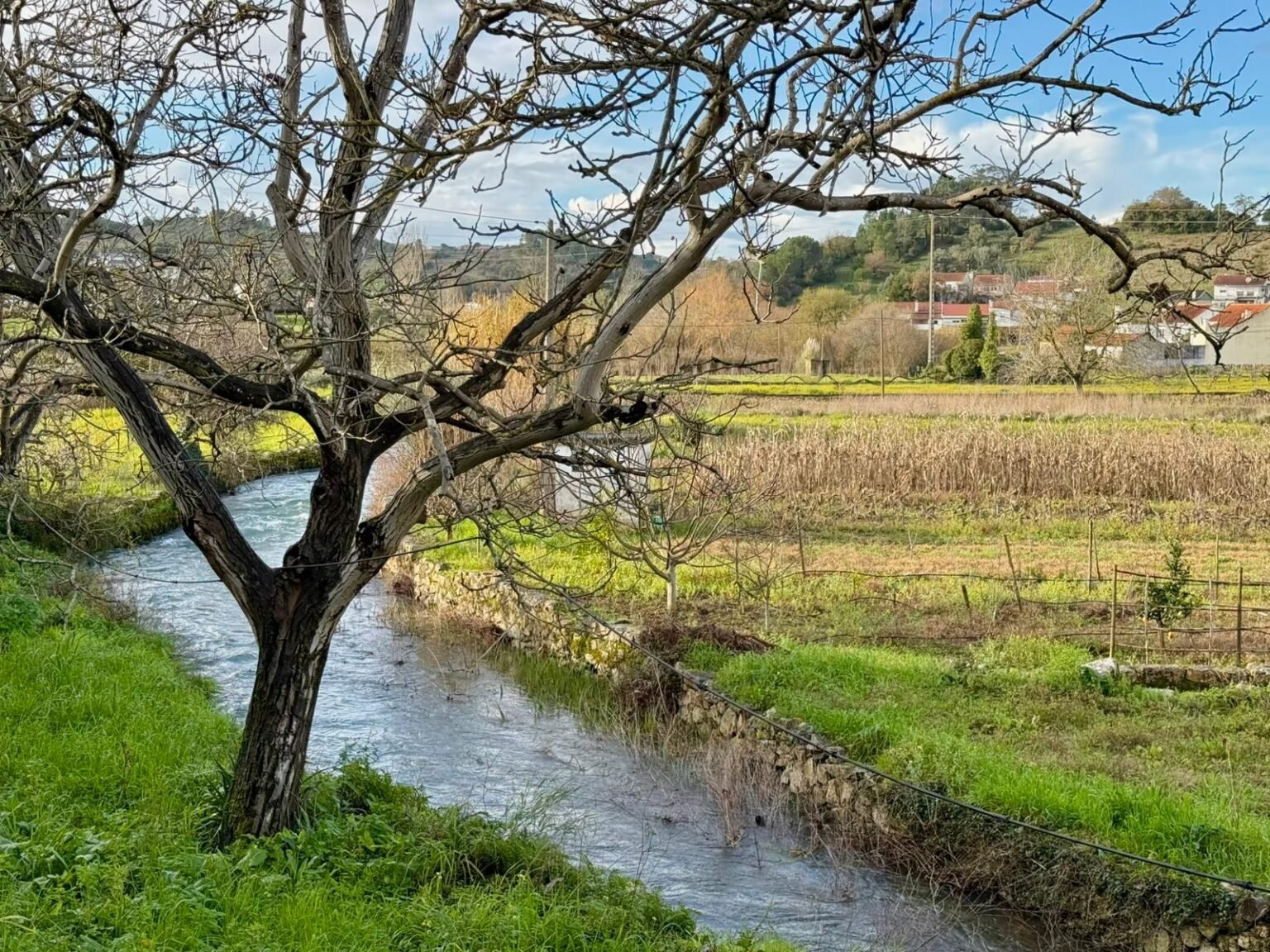
At the same time as the Alps and the Serra da Estrela were rising, around four million years ago, the land that surrounds us emerged from the sea, and the River Lis was born, in the place of Fontes! At that time there were no humans, the climate was subtropical, and the Biosphere was just beginning to discover the power of flowers. The experiment began with plants that simultaneously produced pinecones and huge flowers. It didn’t take long for local flowering plants to realise that they didn’t need to produce pinecones anymore — they could team up with insects to spread their spores (pollen grains), offering them a feast of nectar. They could also join forces with mammals and birds to spread their seeds, by offering them sweet and irresistible fruits.
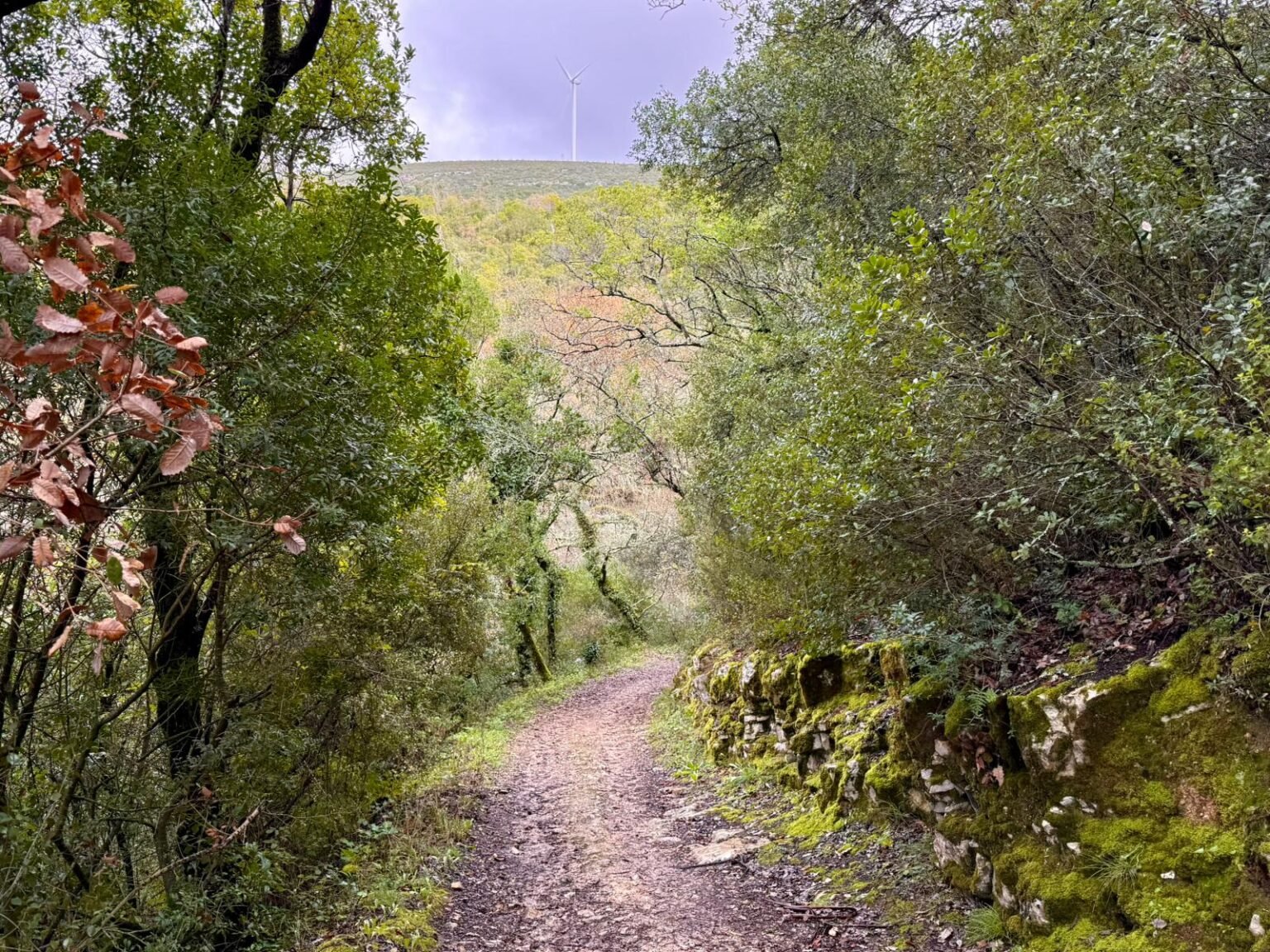
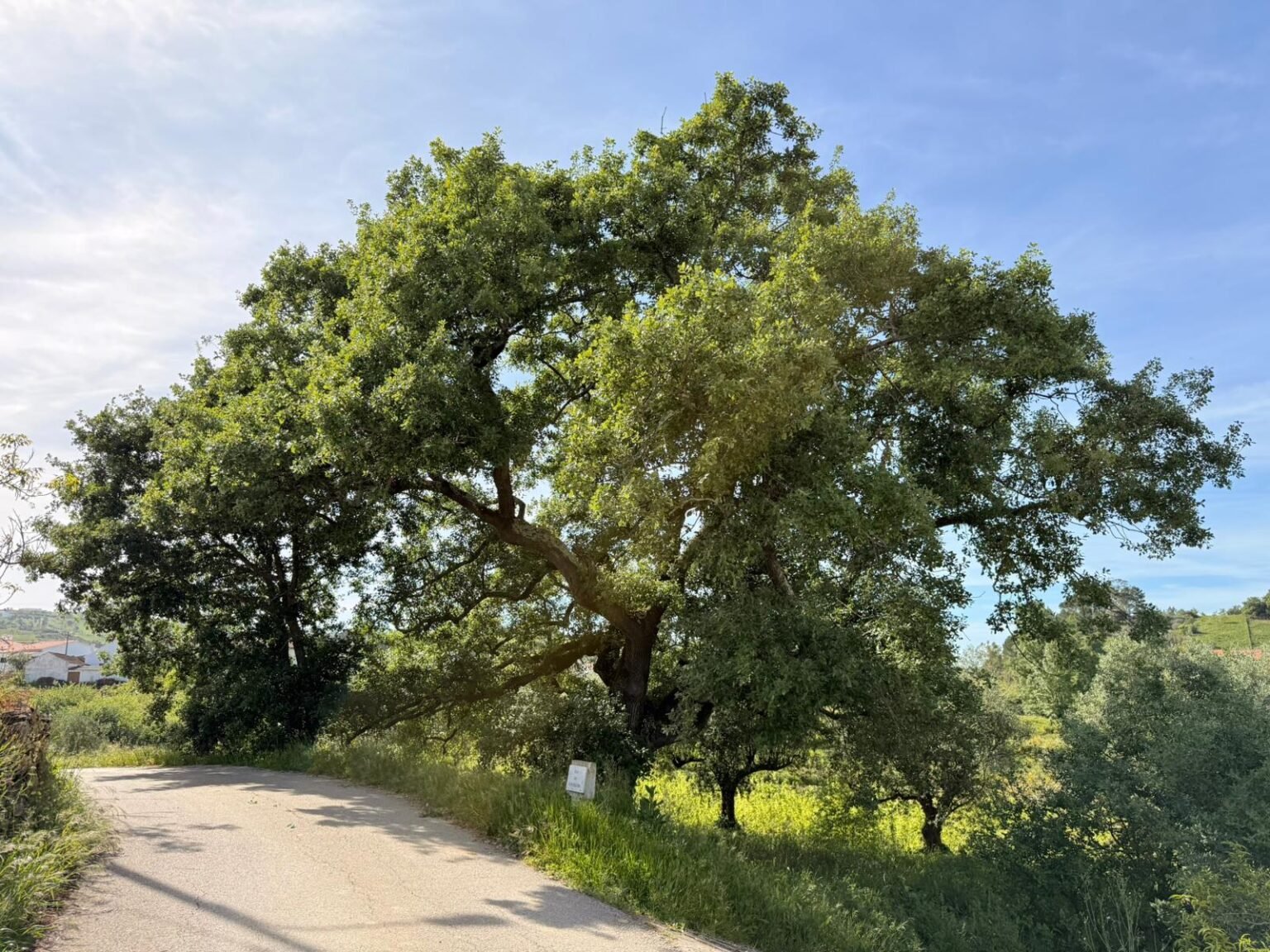
What we see today, walking along the roads and trails of Fontes, is a biodiverse flora of herbs, shrubs and trees, with brightly coloured flowers, edible fruits, and captivating aromas. In the Serra, we enter areas of Mediterranean flora with some Atlantic influences, where there are species of native oaks, fig trees, walnut trees, pines, gorse bushes, rockroses, brooms, and strawberry trees. These areas also host aromatic and medicinal herbs and vegetation adapted to the challenging karst environment — where water is abundant during the cold winter and scarce in the hot summer. The air is pure, as confirmed by the volume and good condition of the lichens growing on trees and rocks.
Down here, closer to the River Lis and the “Eye” spring, the landscape is cool, and the shade of willows, alders, ash trees and poplars feel good in summer. There are elder and hawthorn bushes, thickets with wild blackberries, as well as rosemary, snapdragons and honeysuckles. Along the riverbanks, beside the mosses, it is easy to find buttercups, periwinkles, navelwort, horsetail, polypody ferns, lemon balm, arums, and lilies.
Our accommodations are identified by native flowering plants. Here are some interesting facts about each one!
01 - Calendula arvensis (Field-marigold)
Growing to a height of 30 to 50 cm, with green parts covered in hairs, its flowers are edible and appear between February and April; they have anti-inflammatory and healing properties used to treat wounds on the skin and mucous membranes. Calendula can be used in infusions that act as a calming and muscle-relaxing remedy. The flowers attract pollinators, and they are therefore important in organic farming and ecosystem health.
A cosy minimalism awaits you for a truly revitalising stay. The certified solid pine wood invites a soft and warm touch which, together with natural materials and indirect lighting, transports you to a dimension of serenity.
The neutral colours of the interior blend with the terracotta tones of the terrace, from which you can enjoy views over Grota’s inner courtyard, with a prominent view of the complementary building and our rooms. From here, we can enjoy the rural landscape of Fontes and Senhora do Monte. Closer by, you can take a few steps to the “Eye” spring by exiting through the gate at the back of the building and following the gravel path.
02 - Iris pseudacorus (Yellow-flag-iris)
In ancient cultures, the yellow flag iris was associated with water deities and myths of fertility and rebirth. Today, we associate its presence with purity and renewal, as it requires a clean, cool environment in which to thrive. But be careful! All parts of this beautiful iris contain compounds that are toxic to mammals, so avoid touching this plant. It can cause nausea, vomiting, diarrhoea, and cardiorespiratory problems. It uses flies and bees to cross-pollinate with other irises.
The steeply sloping attic is an addition to the old building. In this room, the connection with nature is a return to something essential: the feeling of delving into one’s inner depths. Take a deep breath and feel alive in interaction with the intensity of the surroundings.
The large window opening onto the balcony brings the outside in — the scent of the hills, the damp riverbed, the gentle presence of the village and its people, the breathtaking sunset, or the inspiring onset of nightfall.
03 - Smilax aspera (Rough-greenbriar)
Also known as sarsaparilla, this climbing plant came to us from subtropical latitudes. It appears among dense vegetation and uses tendrils and thorns to cling to neighbouring plants. The rough greenbriar produces white flowers and, between August and October, dark red berries, which serve as food for small mammals and birds. In traditional medicine, its root is used as a diuretic, and to help combat urinary tract infections, asthma, arthritis and gout.
In a symbiosis of architecture and the surrounding environment, above with clay tile roofs and below with the reflections of the shallow river waters, this sloping roof space opens onto an area that goes far beyond the village.
The large window opening onto the balcony brings in abundant natural light, adding energy to its serenity. In winter, moisture arrives in waves of steam, with the comfort of an interior that welcomes us.
04 - Trifolium stellatum (Star-clover)
It is a clover because its green leaves are made up of three leaflets. As part of the large legume family, the finer roots of the star clover have the ability to negotiate an exchange of benefits with nitrogen-fixing bacteria living in the soil. With this nitrogen, clovers fertilise the soil with ammonia and nitrates, and produce proteins that serve their own beauty, functionality and growth. They offer a generous feast of nectar—irresistible to butterflies and bees. The star clover is also an indicator of dry, undisturbed limestone soils.
This room holds history, layer upon layer, as part of the old dwelling that once included three bedrooms and welcomed several generations. This place is a refuge. It is timeless place. It is a space that does not shout, offering elegance without ostentation.
Facing directly onto the village’s main street, where the river wanders by, you may feel tempted to stay a little longer, making full use of the living room and fully equipped kitchen.
05 - Thymus mastichina (Mastic-thyme)
Mastic thyme grows in scrubland and rocky terrain, in areas of low vegetation, along the mountain trails. It is a thyme with an intense aroma and antimicrobial, antioxidant and anti-inflammatory properties. Its leaves and sprigs are used in infusions to help with digestive problems, coughs and colds. It has a strong, spicy flavour and, although it is used to season meat, it is not as widely appreciated in Mediterranean cuisine as common thyme. It attracts pollinators and therefore contributes to the conservation of biodiversity
With refined details honouring the noble part of the house, this space offers an interior designed not only to be beautiful, but to embody durability.
The materials used, such as marble and cement flooring, reinforce its solid construction. The windows, framed by heavy stonework, display traditional “cachorros” (decorative stone brackets), often adorned with flowers. It features the external staircase typical of Portuguese architecture, connecting directly to the village’s main street, where the river flows — at the heart of Fontes village.
In classical architecture of ancient Greece, the Corinthian style is characterised by columns whose capitals are adorned with the leaves of the bear’s breeches — a symbol of elegance and refinement. Physicians of the time prescribed acanthus infusions to treat a variety of ailments. Young leaves, flowers and roots are still used today in poultices, compresses and gargles. Bear’s breeches thrive in humid, shady areas, along the edges of wooded slopes, on the dirt path to Grota. The flowers of the acanthus provide nectar and pollen to insects and, therefore, this plant contributes to the conservation of local biodiversity.
This small contemporary room, with a minimalist aesthetic of cement and stone, is on the ground floor and is the only one in the complementary building that uses the walls of the old room existing in this block. The silver tones of the stone appeal to a harmonious palette of stillness and subtlety, creating a bridge between the old and the new, with an accent of versatility that is fresh and elegant.
Being on the ground floor, it is also suitable for guests with reduced mobility, thanks to its easy access.
Anemone is a word derived from Greek, literally meaning “daughter of the wind”. It was believed that the flowers of this buttercup (some yellow, some white) only opened when blown by the early spring wind. The specific restrictive “palmata” means ‘like the palm of the hand’, a reference to the shape of its leaves. These are perennial herbaceous plants found in damp, sandy-clay areas, in clearings of scrub and along watercourses.
This is a place of pure authenticity. This country house is not part of the Grota building, but located in Servigueira, about 1 km away. It offers three bedrooms with capacity for five people, as well as a living room and a fully equipped kitchen. Although breakfast is not provided, the house offers everything guests need to prepare their own — just like being at home. The furniture, made of certified solid pine, gives off its scent, and the old floorboards, typical cotton curtains, and pottery from Bajouca and Juncal — characteristic of our region — define this ground-floor space with the same rural simplicity of the 1960s to 1980s.
From here, you can take a stroll around the neighbouring family farms. Portugal is described as the last rural country in Europe by the archaeology of its landscape. We hope that through your connection with this rurality, you find the authenticity of a territory criss-crossed by its various paths, small lanes, and trails, leading you to the source of the River Lis.